The simple answer is population growth. But the full story is a little more nuanced.
South East Queensland has been one of the fastest growing regions in Australia for decades. In 1991 the region had around 1.9 million residents. By 2021 that number had grown to almost 3.8 million people, and it continues to climb each year.
Planning forecasts anticipate the population of South East Queensland to reach six million people by 2046, meaning the region will need hundreds of thousands of additional homes to accommodate that growth.
This growth isn’t happening randomly. It is driven by:
- Migration from southern states
- International migration
- Job growth in the region
- The lifestyle appeal of South East Queensland
At one point the region was gaining around 1,200 new residents every week, and the pace of growth has remained strong ever since.
Families Have Changed and So Have Housing Needs
Population growth alone doesn’t explain the whole challenge. The way households are structured today is vastly different to what it looked like when many suburbs in the Hills District were first developed.
In the 1980s and 1990s, the typical suburban household often looked like:
- Two parents
- Two, three, or sometimes, four children
- One family living in one house
Those children grew up in suburbs like Arana Hills, Ferny Hills, and Everton Hills, and many of them now want to raise their own families in the same communities they grew up in.
At the same time, their parents (original homeowners) are often still living in the same large family homes they purchased decades ago.
And there is another factor that planners are considering: people are living longer than ever before.
This creates an interesting dynamic in suburbs that were originally designed around one type of household.
Instead of one generation per home, we now have:
- Older residents staying longer in large homes
- Adult children hoping to remain in the same suburb
- Young families trying to enter the market
- Downsizers looking to stay close to their community
At the same time, household sizes themselves are becoming smaller. In South East Queensland today, the most common household size is just two people, reflecting the rise of couples, singles, and empty-nest households.
Why Planners Are Looking at Established Suburbs
Because of these demographic shifts, councils and planners are increasingly looking at how existing suburbs can evolve rather than continuing outward expansion indefinitely.
Urban sprawl comes with its own challenges like longer commute times, infrastructure costs, and pressure on natural landscapes.
Instead, planning strategies often focus on mixed density in established areas that already have the infrastructure in place.
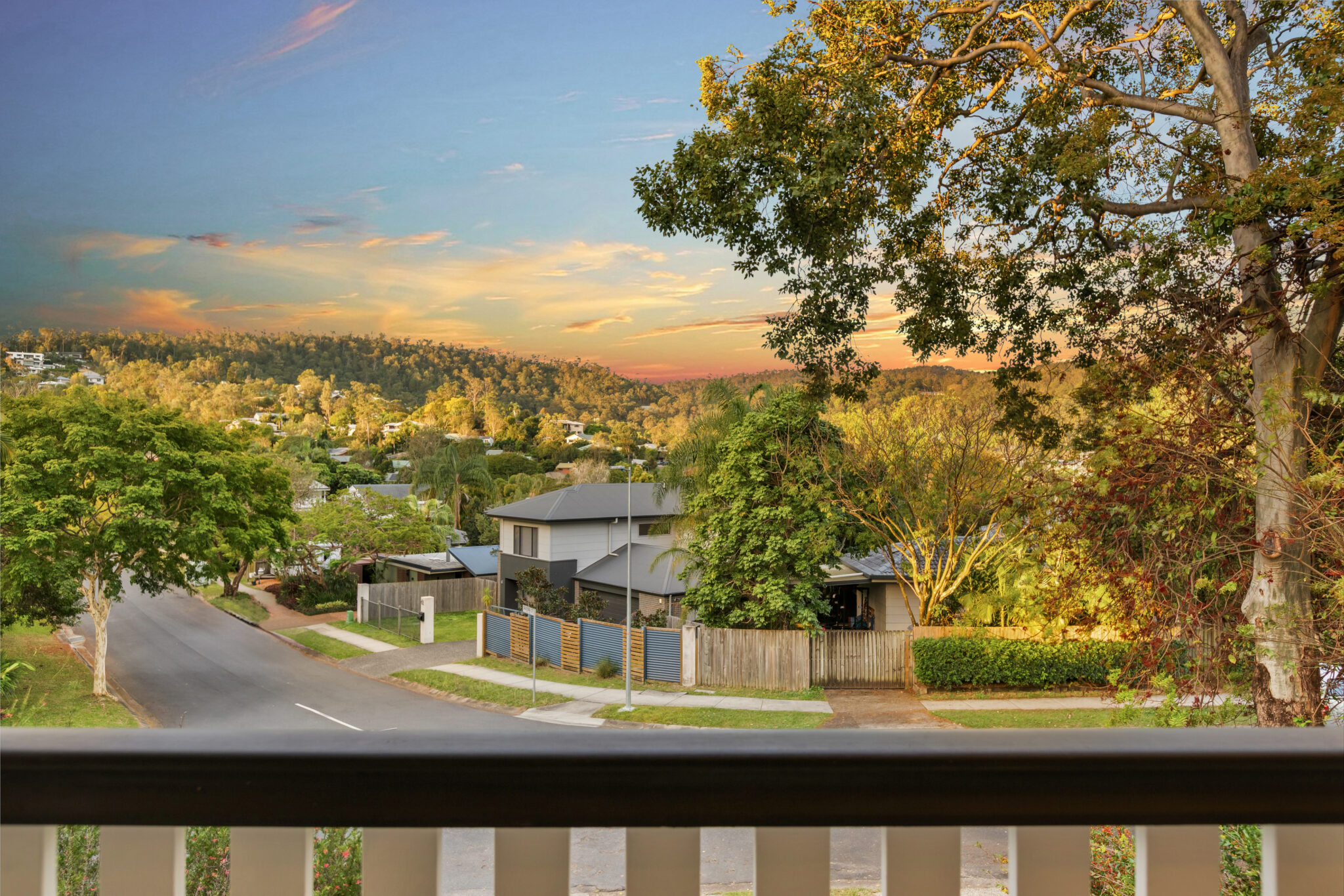
Suburbs like Arana Hills are now part of that conversation because they already offer many elements planners look for:
- Nearby train stations at Grovely and Oxford Park
- Established shopping and commercial centres
- Access to parks, schools, and community facilities
- Strong connections to surrounding suburbs and transport corridors
In other words, the area already has the bones of a well-connected suburb which is why planning authorities see it as a place where additional housing options could potentially be introduced over time.
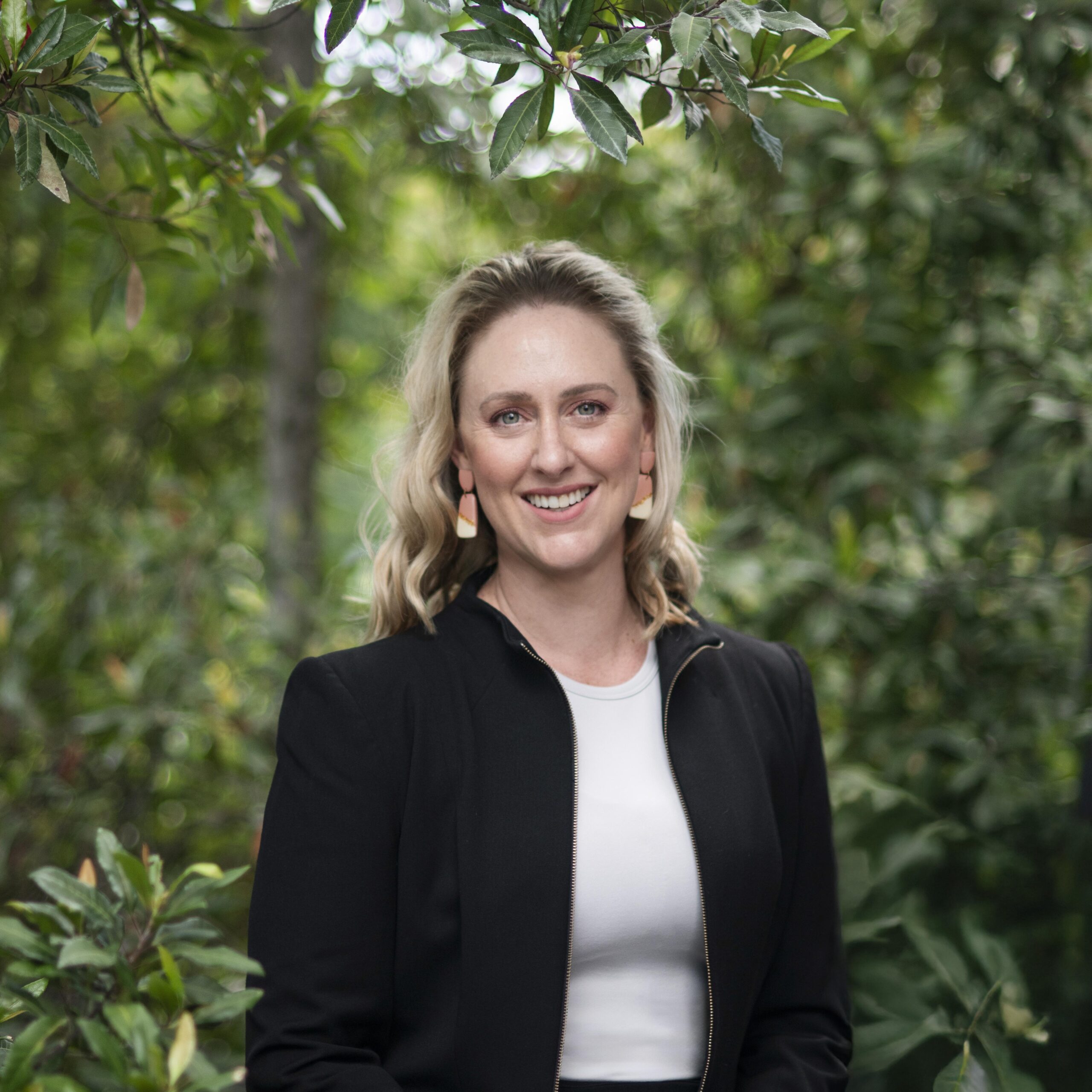
Sales Director
Kathleen co-founded LOYLE with her partner Stephen after spending two decades building a reputation entirely on word of mouth. She brings firsthand knowledge of real estate success and an honest, grounded approach shaped by years of doing real estate the right way.