10 simple steps every rural property owner should take for a calm, strategic and exceptional sales result
Selling an acreage property is nothing like selling a house in the suburbs. A quick tidy-up and styling generally won’t cut it if you’re wanting the exceptional result you deserve. There are fence lines to walk, paddocks to mow, and a whole lot of “just in case” items that have been quietly accumulating in the back shed for years that need confronting. But here’s the good news: with a bit of preparation and the right mindset, your acreage can absolutely shine. Here’s how to make it happen.
If you have any questions after reading this guide, we’re here to help. Tom is a proud local living on 5 acres with his wife and two children in Closeburn. He understands first-hand the joys and challenges that acreage properties can bring. Tom and the team can help break things down into simple, manageable steps, guiding you through what truly matters and taking unnecessary pressure off your shoulders by connecting you with trusted local trades. Walking beside you and helping manage this pre-sale process is all included as part of our sales offering.

Samford Dad I Former Lawyer
- Acknowledging the change
Make yourself a cuppa and acknowledge the moment.
Downsizing often means letting go of a home that’s been part of your life for a long time. Gardens you planted, rooms filled with memories, and a property that has been an integral part of your story. It is a big step, and it deserves to be handled with care.
Many long-time Samford residents reach a point where they want something simpler, easier to maintain and closer to family. We understand that process can feel daunting, not because you aren’t ready for the next chapter, but because there’s a lot to manage and it’s hard to know where to start.
We are here to make downsizing easier, and to get you the best sale outcome, so your next chapter begins with confidence and peace of mind.
- Drive in like a stranger
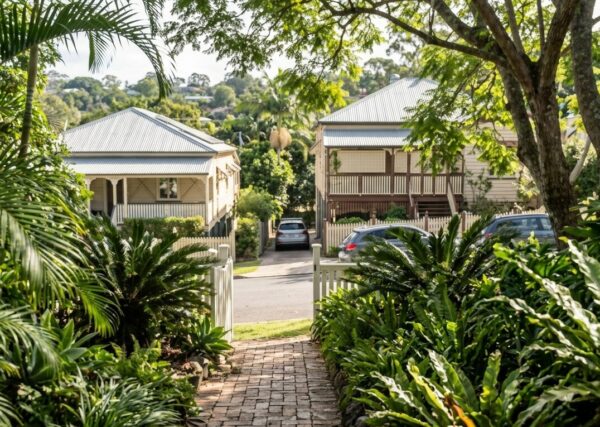
Here’s a little exercise worth doing before anything else. Get in your car, drive to the end of your driveway, and pull in slowly; pretending you’ve never seen this place before.
What do you notice first?
What makes you wince?
Even better, invite one of those friends or relatives who is sometimes a little too honest to do this for you! It’s their time to shine.
Your entrance sets the tone for the entire inspection. Buyers form opinions fast, and if they’re dodging potholes and ducking under scraggly branches before they’ve even reached the house, you’ve already lost points. Top up gravel driveways, trim overhanging trees, remove the weeds from either side of the gate, and consider a simple sign or some low-maintenance planting to create a welcoming arrival. It doesn’t have to look like Downton Abbey, it just has to feel loved.
- Tackle the shed (you know the one)
Every acreage has that shed or two! The one where good intentions go to retire.
Old fencing wire, spare star pickets, the ride-on mower with the dodgy carburetor you were going to repair, furniture from friends and relatives in the suburbs who said it would only be for a few months.
Sound familiar?
Now is the time to deal with it. Buyers who are serious about acreage almost always want to use the sheds and outbuildings for horses, a workshop, a home business, or storage. If they can’t see the floor, they can’t see the potential. Have a clearing sale, donate what you can and whatever’s left, make a visit or three to Samford or Bunya tip. It’s going to be cleared at anyway, so you might as well reap the value gain by doing this pre-sale.
- Mow, mow, mow (but be smart about it)
You don’t need to manicure every blade of grass across your whole property… that would be exhausting, and honestly, unnecessary. But you do need to define your spaces and make the land feel manageable to a buyer who may never have owned acreage before.
Mow around all the buildings, along fence lines (or spray them if that’s your thing), and cut clear paths to any features worth showing off — the dam, the orchard, the creek, the view. Think of it like creating a walking tour. When a buyer can stroll around easily and feel the scale of what they’re looking at, they start to fall in love. When they’re wading through knee-high grass wondering when Joe Blake’s coming out to say hi, they get nervous and nerves typically translate into doubt – which we don’t want.
- Walk Your Fence Lines
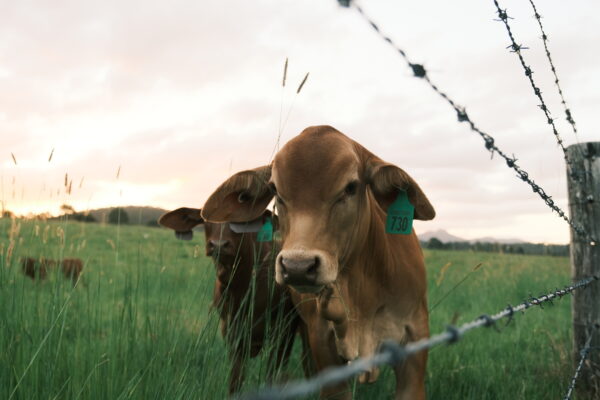
Fencing is one of the first things a savvy buyer will look at on a rural property. It tells them immediately how well the property has been maintained. You don’t need to replace everything, but you do need to walk every line and make the obvious fixes:
- Tighten loose wires
- Bang in wobbly posts
- Oil the gate hinges
- Make sure every gate opens the way a gate should
If you’ve got old livestock fencing that’s seen better days and you’re not actively using it, think carefully about whether to repair it or remove it. A tidy absence can be better than a sagging eyesore.
- Water, water, water
On acreage, water is essential. Buyers will want to know exactly what water they’re working with like tank capacity, dam condition, water licences, bore details, water quality, creek access, irrigation infrastructure. If you’ve got good water, shout it from the hills. If you’ve got drainage issues or a dam that’s silted up, consider dealing with them before you list.
Make sure any dams or ponds look presentable with clean edges, no excessive weed growth, and if possible, water in them. A dry dam is one of the saddest things a buyer can encounter on a rural property inspection.
- Let the outbuildings shine
Barns, stables, machinery sheds, hay sheds, workshops — these are often the reason someone chooses acreage over a regular house. Don’t let yours underwhelm.
Clear them out so buyers can see the structure, check that roller doors and sliding doors work smoothly, and fire up the blower. If the lighting is poor, add a temporary work light for inspections. Small touches go a long way.
It’s worth fixing any obvious roof leaks before listing. A buyer noticing water stains or finding a bucket on the floor is a negotiation liability you want to avoid.
- Be thoughtful about trees and vegetation
Big established trees are a genuine asset and buyers love them.
Dense, overgrown scrub that blocks views and feels unmanageable? Less so.
Have a selective clear-out of problem vegetation, especially around the house and outbuildings. Consider getting a tree lopper around to assess any trees that look dead or dangerous. It’s better to sort it now than have it flagged in a building and pest report.
If you’ve got a food garden, orchard, or established ornamental plantings, make sure they’re looking their best. A thriving kitchen garden or a row of healthy fruit trees can genuinely seal the deal for the right buyer.
- Get your systems in order and build a property information pack
Acreage buyers are doing a lot more due diligence than your average home buyer. Help them along by putting together a simple information pack that includes your title and survey, any easements or covenants, water licence details, septic approvals, records of any building permits, recent servicing of infrastructure (e.g. bores, solar systems etc) and anything that tells the story of the land — soil test results, wildlife notes, seasonal photos. Again, Tom has first-hand experience and can help with this.
Seasonal photos are particularly valuable. If your property looks spectacular after rain, or your orchard is magnificent in spring, make sure you have photos to show buyers. Buyers are often inspecting in different conditions than when the property is at its best.
- Tell your property’s story
Every acreage property has a personality. Maybe yours is the kind of place where kids grow up roaming freely, building cubbies, and learning where food comes from. Maybe yours is a horse lover’s dream, or a peaceful creative retreat, or a serious small farming operation.
Think about who your ideal buyer is, and make sure your listing speaks to them. Great photography and videography, an authentic and evocative property description, and a genuine sense of what daily life on this idyllic parcel of land feels like — these things matter enormously. Buyers aren’t just buying land. They’re buying a lifestyle, a dream, a version of themselves they’re hoping to embody.
Choosing the right agent will also help them see this quickly and fall in love.
One last thing
Selling acreage can feel overwhelming, but it’s also an opportunity to look at your property with fresh eyes and take real pride in what you’ve built and maintained. Take the time to do it right and trust that the right buyer, the one who will genuinely love this place, is out there looking.
Let’s make sure your property is ready when they arrive.
About the author
Tom is a Samford local, and is raising his two children with his wife, Cecilia, in Closeburn. This genuine local understanding allows Tom to speak authentically to prospective buyers and sellers about what it means to live in this incredible place.
Before entering real estate, Tom spent 15 years as a top-tier corporate lawyer working on high-stakes disputes where strategic negotiation, clear thinking and steady decision-making were essential.
Tom also brings warmth, openness, and clear communication that ensures his clients feel supported, heard, and confident through every stage of the selling process.
Tom’s path into real estate isn’t typical … and that’s exactly why it works.
To book a cuppa with Tom at your home to discuss getting your property ready for sale, how the market is tracking or for second opinion on a current or withdrawn property listing, give Tom a call or send him an email.
Phone 0492 886 073
Email tom@loyle.com.au
Web loyle.com.au

Real Estate Agent
Before entering real estate, Tom spent 15 years as a top-tier lawyer working on high-stakes matters where strategic negotiation, clear thinking and steady decision-making were essential. Tom’s path into real estate isn’t typical … and that’s exactly why it works.