Mould is a persistent problem for many Brisbane properties, often creeping into homes unnoticed until it becomes a significant issue. While most people are aware that internal factors like humidity, poor ventilation, and leaks can cause mould, few realise that the greenery surrounding their homes can also contribute to this problem. Yes, those lush trees and dense foliage, although beautiful and beneficial for shade, can be a hidden culprit in mould growth. As one of Brisbane’s highest rated property management companies, let us explain how this happens and what can be done about it.
The Connection Between Trees and Mould
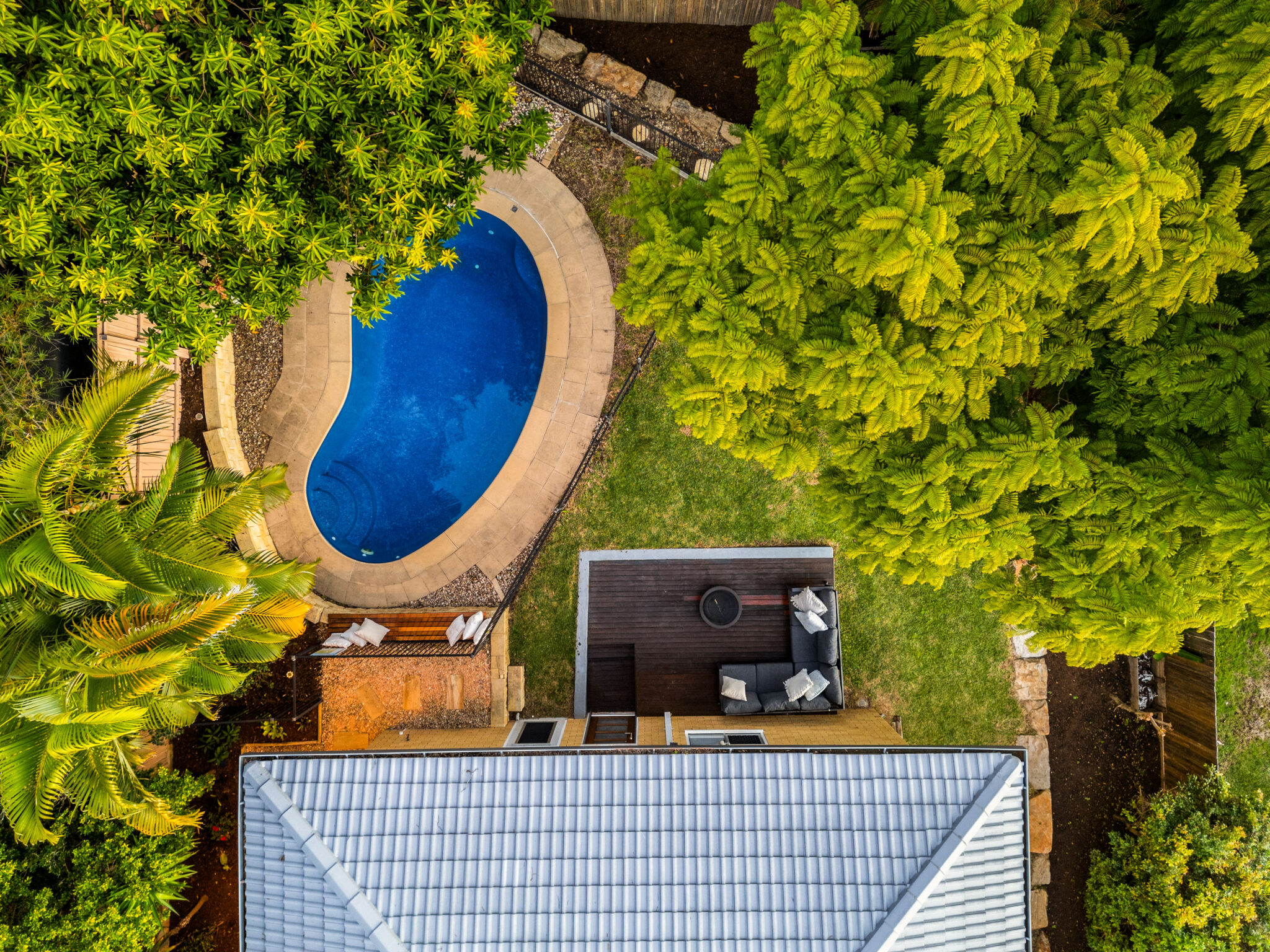
Trees and plants can harbour mould on their leaves, branches, and trunks, especially in Brisbane’s humid climate. When these trees are located close to your home, they can create an environment conducive to mould growth inside your property. Here’s how:
- Reduced Ventilation: Dense tree canopies can block the natural flow of air around your home. This stagnant air traps moisture, creating a perfect breeding ground for mould.
- Limited Sunlight: Trees that cast heavy shadows on your home can significantly reduce the amount of sunlight that reaches your walls and roof. Sunlight is a natural disinfectant, and without it, damp areas remain wet longer, providing mould with the moisture it needs to thrive.
- Organic Debris: Leaves, branches, and organic matter from trees can accumulate in gutters and on roofs, retaining moisture and promoting mould growth. This debris can also find its way into crevices and cracks in your home’s exterior, fostering mould colonies.
The Solution: Increase Ventilation and Light
While trees are essential for a healthy environment, strategic maintenance is key to preventing them from becoming a mould hazard. Here’s what you can do:
- Pruning and Trimming: Regularly trim back branches that are close to your home. This improves air circulation and allows more sunlight to penetrate, helping to dry out damp areas.
- Clearing Debris: Ensure that gutters, downspouts, and roof surfaces are kept clear of leaves and other organic matter. Regular cleaning will prevent moisture build-up and reduce the risk of mould.
- Strategic Planting: When planting new trees, consider their mature size and place them at a safe distance from your home. This foresight will help maintain good ventilation and light access as the trees grow.
Treating Mould Internally
While managing your outdoor environment is crucial, it’s equally important to tackle any internal mould issues. Here are some steps you can take:
- Use Dehumidifiers: Keep indoor humidity levels below 60% by using dehumidifiers, especially in high-moisture areas like bathrooms and kitchens.
- Improve Ventilation: Install exhaust fans in bathrooms and kitchens, and consider using air purifiers to help reduce indoor moisture levels and filter out mould spores.
- Regular Inspections: Periodically check for signs of mould in your home, particularly in hidden or less frequented areas. Early detection is key to preventing larger infestations.
- Professional Treatment: If you discover a mould problem, it may be wise to consult with professionals who can safely and effectively treat and remove mould from your home.
A Holistic Approach
Maintaining a mould-free property requires a combination of outdoor and indoor strategies. By managing the greenery around your home and ensuring good ventilation and light, you can significantly reduce the risk of mould growth. At LOYLE, we understand the unique challenges of property management in Brisbane’s climate and are here to help you keep your property in top condition. Regular maintenance, combined with professional advice and services, will ensure that your home remains a safe and healthy environment.For more tips on property maintenance and management, or to get personalised advice and services tailored to your needs, contact LOYLE today! Let us help you keep your property in top condition all year round. Reach out to our property management team now and discover how we can support you.